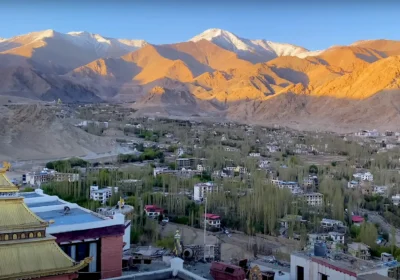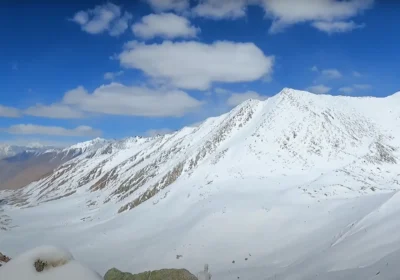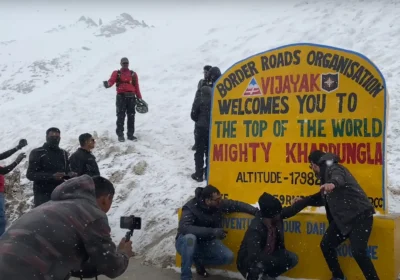
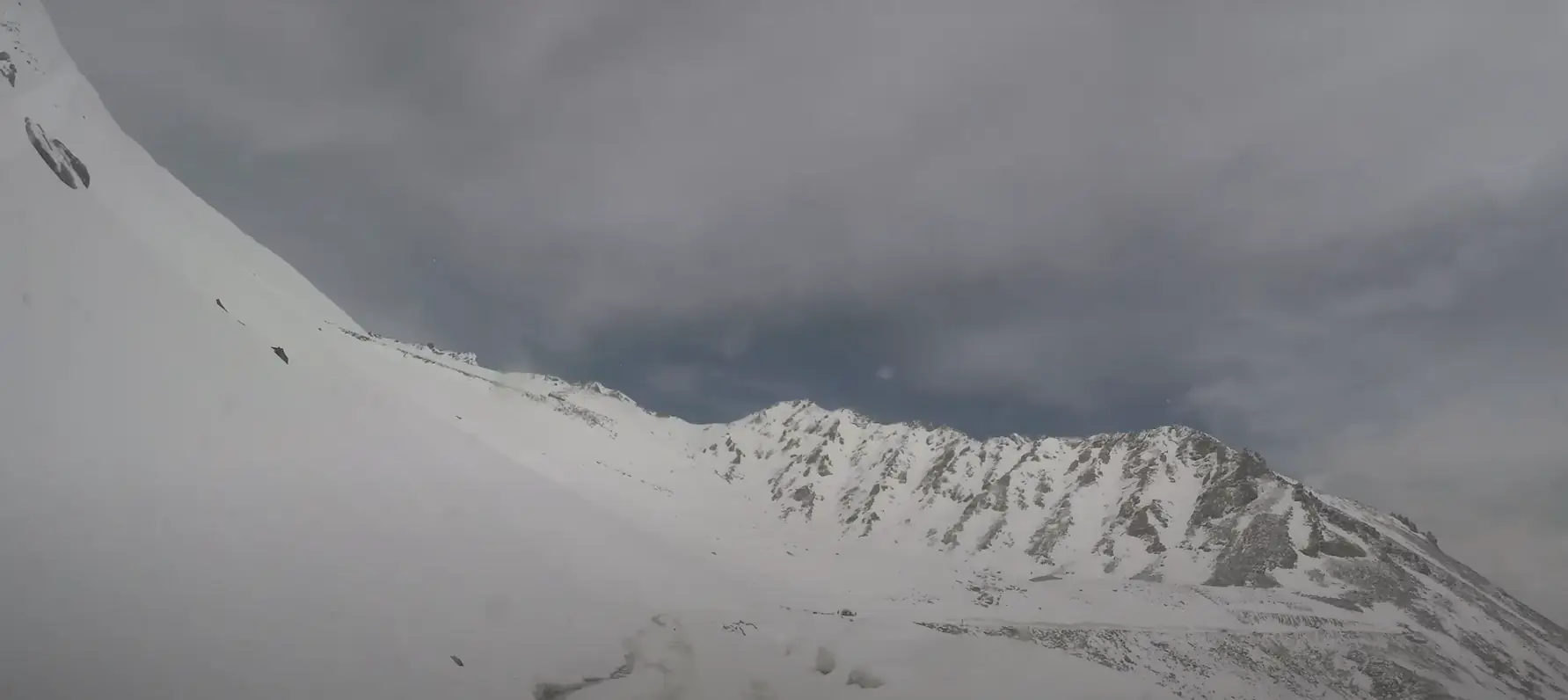
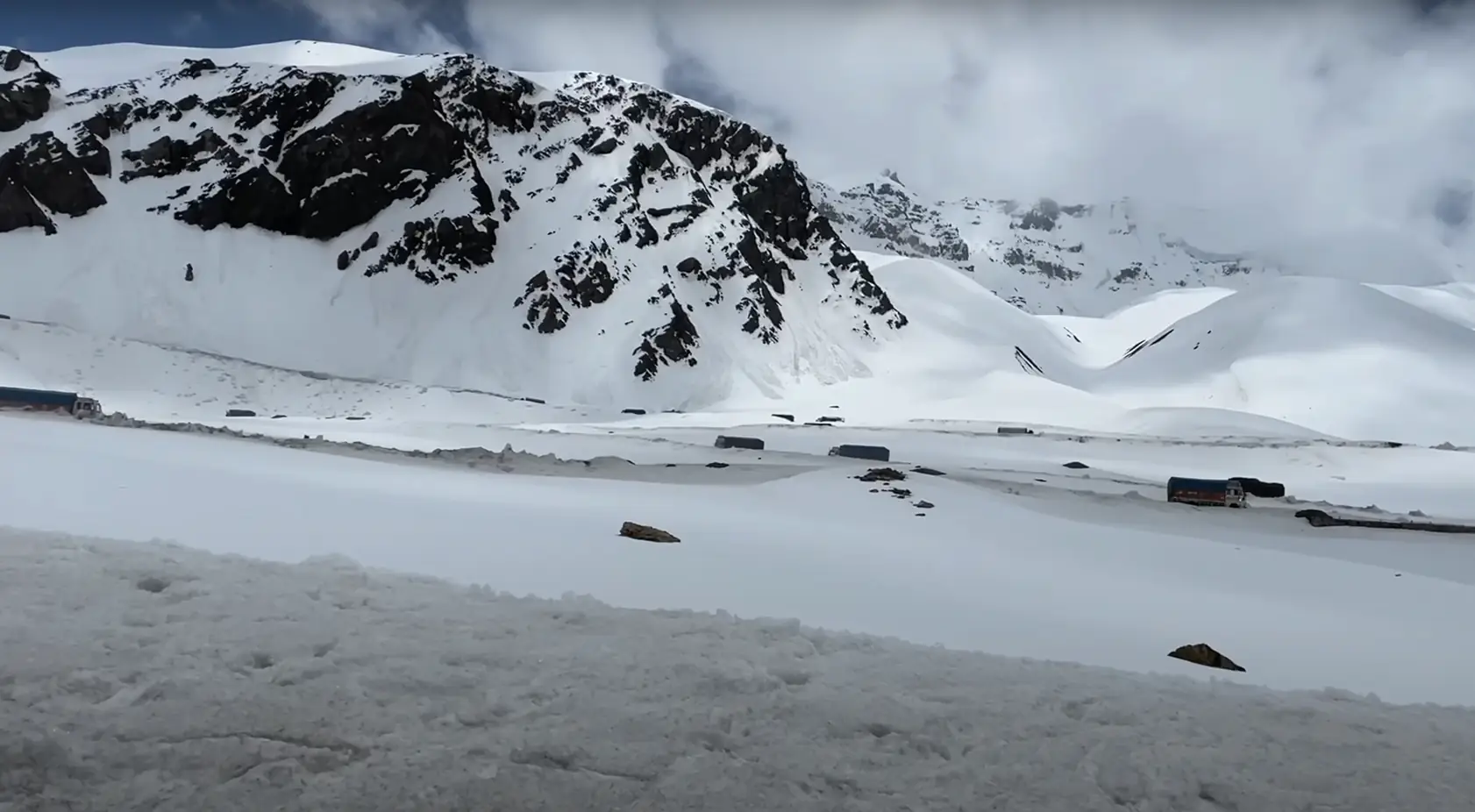
Leh-Ladakh in February is a dream for winter lovers and adventure seekers. The entire region turns into a snowy wonderland with frozen lakes, bright blue skies and dramatic mountain silhouettes. February offers solitude, clear photographic conditions, and a chance to experience Ladakh as a quiet, mystical place. This guide covers weather, how to reach Leh, what to pack, suggested itinerary, top places to visit, safety tips and frequently asked questions to help you plan a safe and memorable winter trip.
Why Visit Ladakh in February?
February has both clear advantages and real challenges. Knowing both helps you decide if this trip is right for you.
Advantages
- Pristine snow-covered landscapes perfect for photography and solitude.
- Far fewer tourists—enjoy a quieter, more personal experience.
- Unique winter adventures such as frozen lakes and the Chadar Trek.
- Potential off-season discounts on accommodations in some places.
Challenges
- Extremely cold temperatures, especially at night (often below −15°C).
- Many high mountain passes and roads remain closed due to snow.
- Limited services: some hotels, restaurants and shops may be closed.
- Possible flight delays or cancellations due to weather.
Weather in Leh-Ladakh (February)
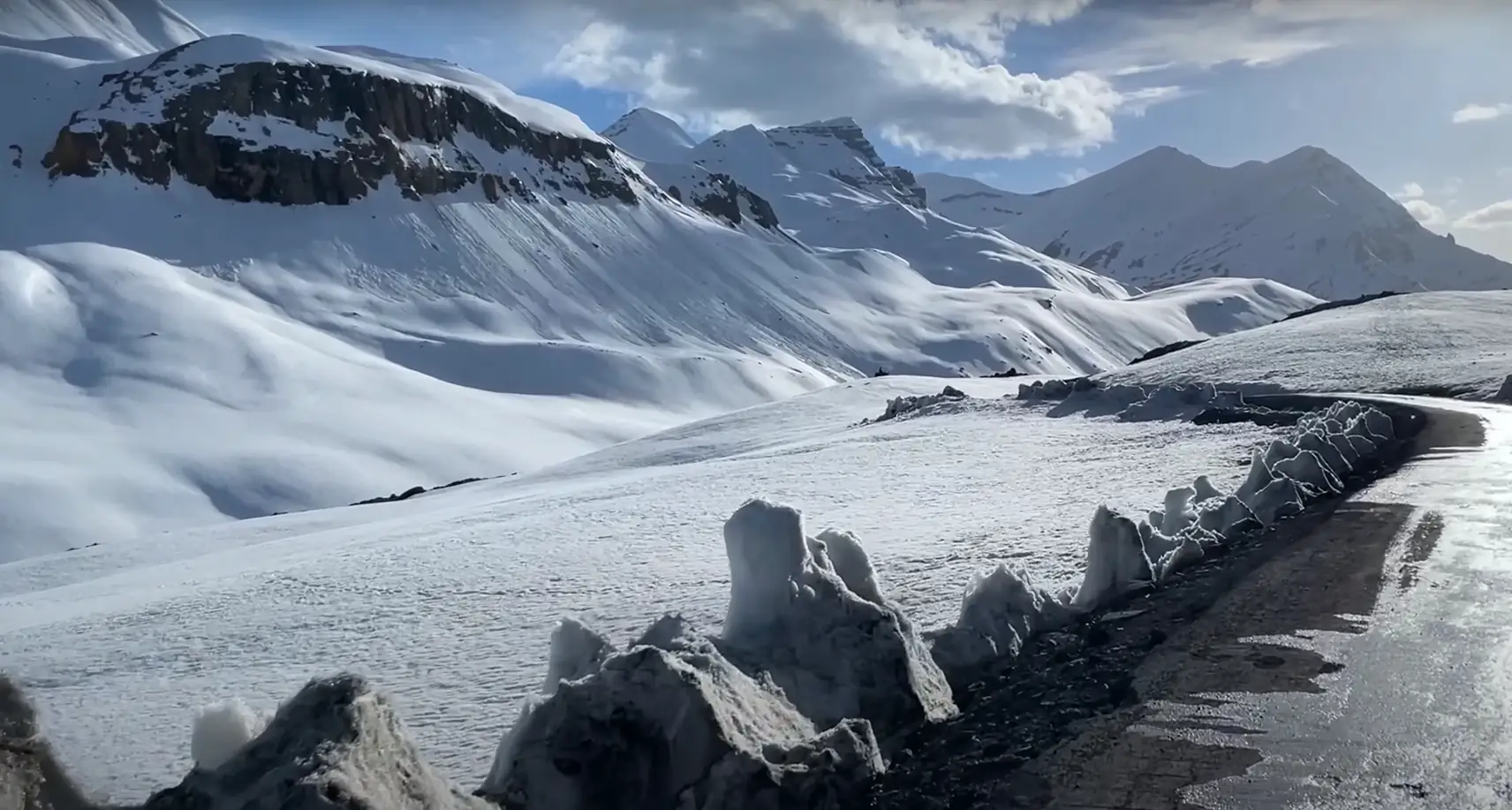 February is among the coldest months in the region. Expect:
- Day temperatures: around −5°C to 5°C.
- Night temperatures: can drop to −10°C to −20°C in places.
- Frequent snowfall and icy conditions on roads and trails.
- Shorter daylight hours, usually around 9–10 hours.
Despite the cold, bright sunny days and clear skies often follow snow, creating spectacular visibility and brilliant blue skies ideal for photos.
How to Reach Leh in February
Most road routes (Manali–Leh and Srinagar–Leh) are closed in winter. The most reliable way to reach Leh in February is by air:
- By Air: Kushok Bakula Rimpochee Airport (Leh) is connected to major Indian cities like Delhi, Chandigarh and Srinagar. Flights can be delayed or cancelled during heavy snow, so allow buffer days.
- By Road: Not recommended in February as high passes are usually blocked by snow.
Tip: Book early-morning flights where possible; they are less likely to be grounded due to afternoon weather.
Where to Stay
Many hotels close for winter, but Leh town continues to offer guesthouses, homestays and select hotels with heating. When booking, confirm these facilities:
- Heating (central or room heater / Bukhari stove)
- Hot water availability
- Backup power or generator
- Proximity to town amenities if you prefer shorter walks in cold weather
What to Pack
Proper packing makes a big difference. Pack for extreme cold and layered warmth:
- Thermal innerwear (top & bottom) and multiple layers
- Down jacket or heavy insulated jacket
- Fleece or wool sweaters, windproof & waterproof outer shell
- Woollen gloves, insulated hat/beanie, scarf or neck gaiter
- Thick wool socks and waterproof insulated boots
- Sunglasses (UV protection) to prevent snow glare
- Sunscreen, lip balm and moisturizer
- Personal medicines, altitude sickness tablets, first-aid kit
- Power bank, headlamp/torch, hot water bottle
Top Places to Visit in February
Even in winter, several iconic places are worth visiting—conditions permitting:
Leh Town
- Leh Palace
- Shanti Stupa
- Hall of Fame (military museum)
- Leh Market for local crafts, pashmina and dry fruits
Monasteries
- Thiksey Monastery
- Hemis Monastery
- Diskit Monastery (in Nubra Valley, if accessible)
Frozen Lakes
- Pangong Tso: becomes a surreal frozen expanse—stunning photos and a unique experience.
- Tso Moriri: remote, peaceful and spectacular when iced over.
Adventure
- Chadar Trek: the famous frozen Zanskar River trek—only attempt with experienced guides and proper gear.
Suggested 7-Day Itinerary (February)
This itinerary assumes flights to Leh and flexibility for weather delays:
- Day 1: Arrive in Leh. Rest and acclimatize. Short walk in Leh Bazaar.
- Day 2: Local sightseeing — Shanti Stupa, Leh Palace, Hall of Fame, local market.
- Day 3: Day trip to Pangong Tso (if road is open) or explore nearby valleys and monasteries.
- Day 4: Visit Nubra Valley via Khardung La (if pass is cleared) or take a relaxed photography day.
- Day 5: Snow walks, frozen lake exploration, or a short guided trek near Leh.
- Day 6: Rest day for acclimatization, shopping, cultural experiences in Leh.
- Day 7: Departure from Leh. Keep buffer days for flight changes.
Note: Always check road status with local authorities and the army. Build buffer days into your plans for flight or road delays.
Things to Do in February
- Photograph frozen Pangong Lake and other icy landscapes.
- Join the Chadar Trek (if experienced and arranged with certified guides).
- Experience local Ladakhi food—thukpa, butter tea and local breads to warm up.
- Visit monasteries to learn about Ladakhi culture and winter customs.
- Stargaze on clear nights—Ladakh’s high plateau has spectacular night skies.
Health and Safety Tips
- Acclimatize for at least 24 hours after arrival to reduce risk of altitude sickness.
- Stay hydrated and avoid alcohol during the first 48 hours.
- Know the symptoms of Acute Mountain Sickness (headache, nausea, dizziness) and descend if symptoms worsen.
- Dress in layers and protect exposed skin from wind and frostbite.
- Travel with local guides in remote or icy areas and follow their instructions.
- Carry portable oxygen or know where to get medical help in Leh.
Frequently Asked Questions (FAQs)
Is it safe to visit Leh-Ladakh in February?
Yes, it can be safe with proper preparation. The main concerns are extreme cold, limited services, and possible flight disruptions. Travellers should pack warm clothing, allow buffer days, and travel with experienced local operators.
Can I visit Pangong Lake in February?
Yes—if roads are open. The lake often freezes and looks spectacular. Road accessibility depends on weather and clearance by local authorities.
Is Nubra Valley accessible in February?
Access depends on the status of Khardung La. The army may clear the pass at times, but it is not guaranteed. Always check local updates before planning a Nubra trip.
Can I attempt the Chadar Trek in February?
February is the main season for Chadar Trek, but it is a challenging and risky route. Only attempt with certified guides, proper gear, and good fitness levels.
What kind of accommodation is available?
Leh town offers guesthouses, homestays and selected hotels with heating. Many remote guesthouses may close for winter—confirm bookings and heating facilities before arriving.
Practical Tips to Make the Most of Your Trip
- Plan buffer days for flight cancellations or road delays.
- Carry enough cash—ATMs may have limited cash and card acceptance can be inconsistent outside Leh town.
- Use layered clothing to manage changing temperatures during daytime and night.
- Respect local culture and fragile winter ecosystems—avoid littering and follow local guidance.
- Hire local guides for remote trips—they know the safest routes and current conditions.
Conclusion
Travelling to Leh-Ladakh in February is a special experience that rewards careful planning. If you are prepared for cold weather and possible travel delays, February offers unmatched snowy landscapes, quiet monasteries and dramatic photography opportunities. Whether you seek adventure on the frozen Zanskar, wish to see Pangong Lake in ice, or simply want to enjoy solitude in high-altitude deserts, a winter trip to Ladakh can be an unforgettable journey. Pack well, plan flexibly, and embrace the magic of a land frozen in time.
Happy and safe travels!