March marks the transition from deep winter to early spring in Leh-Ladakh. Snow still blankets the high plateaus and valleys, but the days slowly get warmer and longer. For travellers who want to experience both the last remnants of winter magic and the first signs of spring, Leh Ladakh in March is an excellent choice. This guide covers weather, how to reach Leh, what to pack, top places to visit, a suggested itinerary, health and safety tips, and frequently asked questions to help you plan a smooth and memorable trip.
Why Visit Ladakh in March?
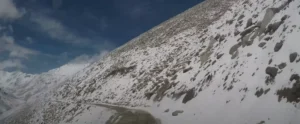
March is a shoulder season — offering a mix of snowy landscapes and milder conditions compared with mid-winter. Here are the main reasons to consider visiting:
Advantages
- Snow-topped mountains and partly frozen lakes produce surreal, photogenic scenery.
- Fewer tourists than in summer — more peaceful attractions and authentic local experiences.
- Daytime temperatures begin to rise, making outdoor activities more comfortable than January or February.
- Early reopening of some hotels, cafes and local services as the region prepares for the tourist season.
Challenges
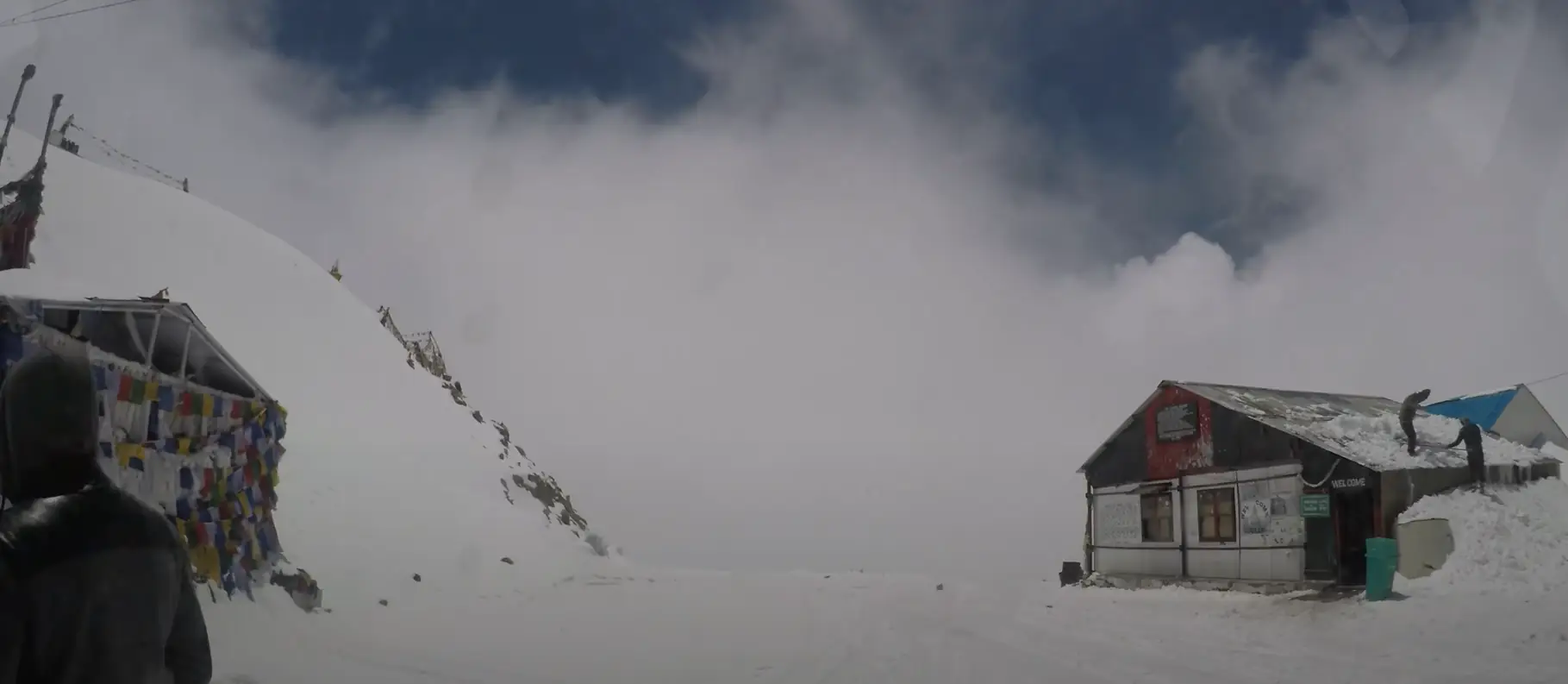
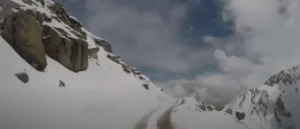
- High mountain passes (Manali-Leh and Srinagar-Leh) are usually still closed — flying is the main option.
- Night temperatures can remain below freezing, so warm clothing is essential.
- Some remote guesthouses and routes may still be closed or inaccessible until late spring.
Leh Ladakh Weather in March
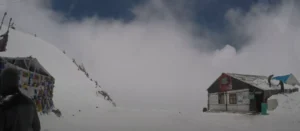
March brings gradual warming but nights remain cold. Typical conditions are:
- Day temperatures: around 0°C to 8°C (may be warmer on sunny days).
- Night temperatures: often drop to −5°C to −12°C.
- Occasional snowfall early in the month; clearer skies and longer daylight later in March.
The changing weather creates dramatic contrasts — clear blue skies against snowy peaks — ideal for landscape photography.
How to Reach Leh in March
Most travellers reach Leh by air in March because the major roads are typically still blocked by snow:
- By Air: Kushok Bakula Rimpochee Airport, Leh (LEH) connects with Delhi, Srinagar and other cities. Book morning flights where possible and allow buffer days for weather delays.
- By Road: Manali-Leh and Srinagar-Leh highways generally open in late spring (April–June). Road travel in March is not recommended unless local authorities announce clear passes.
Where to Stay
Leh town offers a range of accommodations in March as many establishments reopen for the new season. Look for:
- Guesthouses and homestays with heating (Bukhari stoves or electric heaters).
- Mid-range and boutique hotels that advertise hot water and backup power.
- Confirm availability of hot water and heating before booking, especially in the first half of March.
What to Pack for March
Packing correctly is crucial for comfort and safety in Ladakh during March:
- Thermal innerwear (top & bottom) and multiple warm layers.
- Insulated down jacket and a windproof, waterproof outer shell.
- Fleece or wool jumpers, warm gloves, woollen hat/beanie, scarf or neck gaiter.
- Waterproof insulated boots with good grip and warm socks.
- Sunglasses with UV protection (snow glare is strong), sunscreen and lip balm.
- Personal medicines, altitude sickness tablets (consult a doctor), basic first-aid kit.
- Power bank, headlamp/torch and spare batteries; hot water bottle for extra warmth.
Best Places to Visit in March
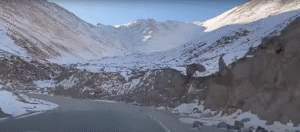
Many classic Leh-Ladakh attractions are accessible in March, weather permitting:
Leh Town
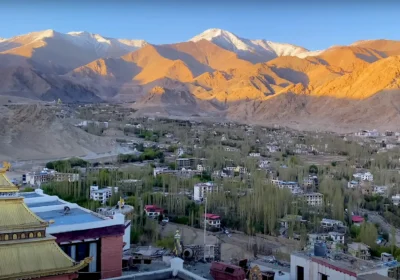
- Leh Palace — historic viewpoint with panoramic vistas.
- Shanti Stupa — especially beautiful at sunrise or sunset.
- Hall of Fame — museum covering Ladakh’s history and army operations.
- Leh Bazaar — buy pashmina, dry fruits and Tibetan handicrafts.
Monasteries
- Hemis Monastery — one of the largest and culturally significant monasteries.
- Thiksey Monastery — stunning hilltop complex with a giant Buddha statue.
- Spituk and Diskit (Nubra region) — visit if passes are open.
Lakes and Valleys
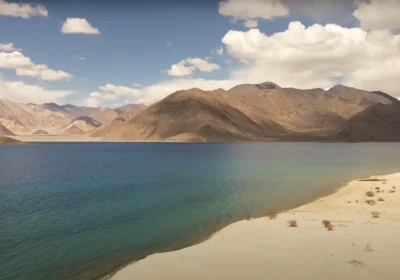
- Pangong Tso: often partly frozen in March; the colors and reflections are spectacular.
- Tso Moriri: quieter and framed by snowy ridges — great for solitude and photography.
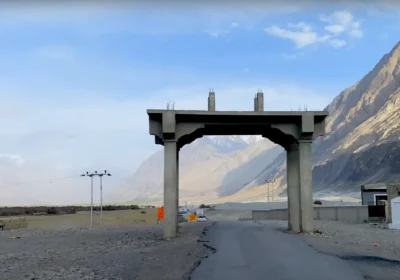
- Nubra Valley — dramatic landscapes if Khardung La is cleared for vehicles.
Adventure
- Chadar Trek (Zanskar frozen river) — typically possible in late January to February; by March conditions vary and it is for experienced trekkers only.
- Short hikes and snow-walks near Leh — suitable for most visitors with a local guide.
Suggested 7-Day Itinerary (March)
This is a flexible plan assuming arrival by flight and some road access:
- Day 1: Arrive in Leh. Rest and acclimatize with light walks in Leh Bazaar.
- Day 2: Local sightseeing — Shanti Stupa, Leh Palace, Hall of Fame, nearby monasteries.
- Day 3: Day trip to Pangong Tso (if road is open) or explore Sham Valley attractions.
- Day 4: Nubra Valley via Khardung La (if pass is cleared) or a relaxed photography day around Leh.
- Day 5: Visit Tso Moriri (depending on road conditions) or take guided local hikes.
- Day 6: Cultural day — visit monasteries, meet locals, shop for souvenirs.
- Day 7: Departure from Leh. Keep buffer days for flight changes.
Always check current road and weather conditions; be prepared to change the itinerary at short notice.
Health and Safety Tips
- Acclimatize for 24–48 hours after arrival to minimize risk of altitude sickness.
- Drink plenty of water and avoid alcohol for the first 48 hours.
- Know the symptoms of Acute Mountain Sickness (AMS): headache, nausea, dizziness. Descend if symptoms worsen.
- Wear layered clothing and protect exposed skin from wind and frostbite.
- Travel with experienced local guides for remote routes and treks.
- Carry cash — ATMs outside Leh town may be limited and card acceptance can be inconsistent.
Frequently Asked Questions (FAQs)
Is March a good time to visit Leh-Ladakh?
Yes. March offers a balance between winter scenery and milder daytime temperatures. It is ideal for travellers who want snowy landscapes without the extreme cold of mid-winter.
Can we visit Pangong Lake in March?
Often yes — Pangong is usually partly frozen and looks spectacular. Road access depends on snow clearance and local conditions.
Are the high passes open in March?
Generally no. The Manali-Leh and Srinagar-Leh highways usually remain closed due to snow and open around late April to June. Confirm with local authorities before planning road travel.
Can I attempt the Chadar Trek in March?
Chadar Trek conditions vary; it is primarily a January–February activity. By March the ice can become unstable in places — only attempt with expert operators who monitor conditions closely.
What should I keep in mind about accommodation?
Many hotels reopen in March but services may be limited early in the month. Confirm heating, hot water and backup power before arrival.
Conclusion
Leh Ladakh in March is a special time to visit — offering snow-framed vistas, quieter attractions and the first hints of spring. With careful planning, appropriate packing and flexible scheduling, you can enjoy stunning landscapes, cultural encounters and memorable adventures. Whether you prioritize photography, culture or peaceful exploration, March provides an opportunity to experience Ladakh’s unique high-altitude charm.
Safe travels and enjoy the magic of Ladakh in March.